
Composite vs porcelain veneers: differences and how long they last
Özel Dent Club Ağız ve Diş Sağlığı Polikliniği ·
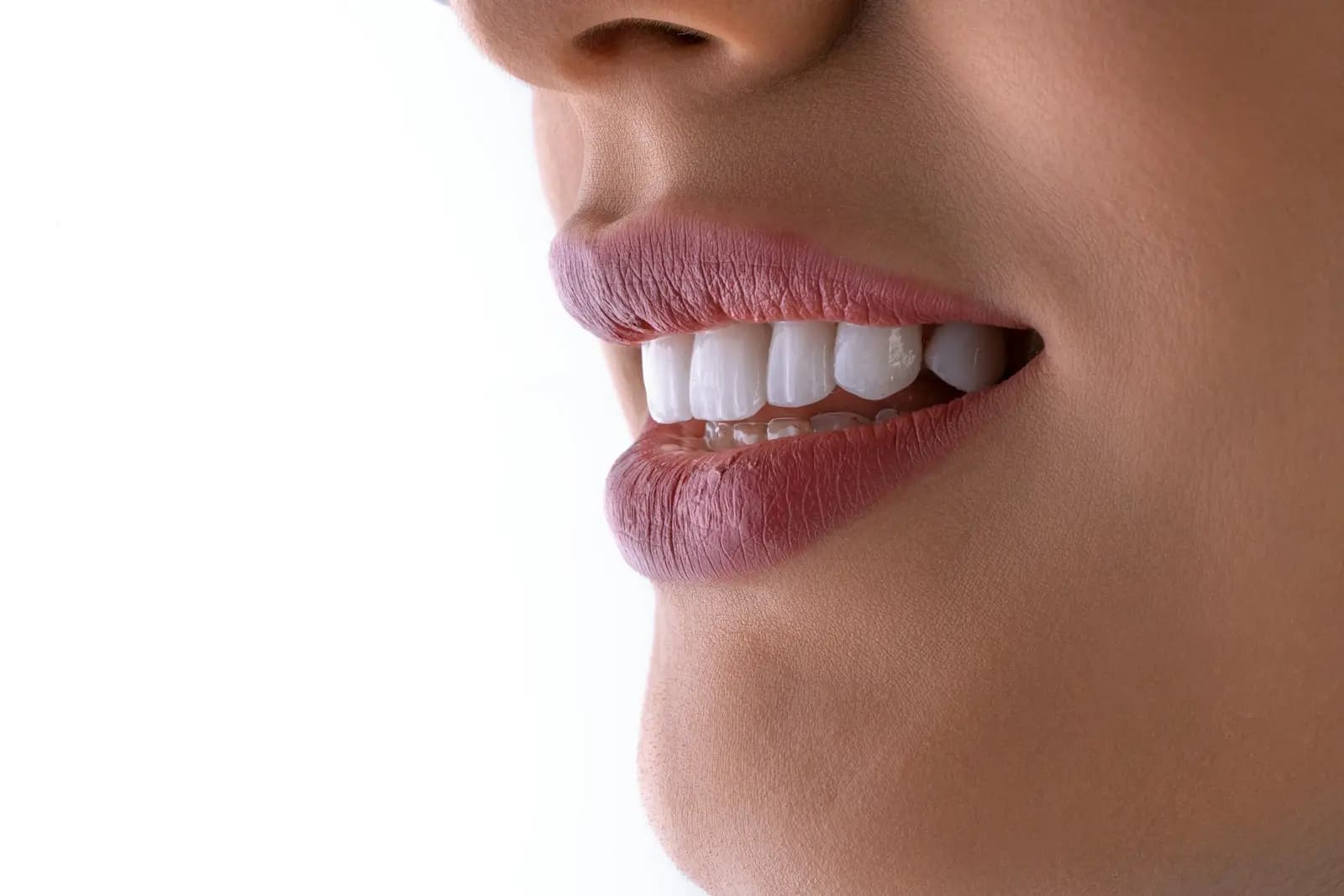
Composite veneers are made from tooth-coloured resin built up directly on the tooth, usually in one visit and often with little or no drilling. Porcelain (ceramic) veneers are made in a dental laboratory, need a thin layer of enamel to be prepared and take at least two appointments. Systematic reviews report survival of about 88% for composite veneers over 2–8 years and about 89% for ceramic veneers at a median of nine years, but the studies are not directly comparable.
How each type is made
- Composite veneers: resin is shaped and hardened on the tooth by the dentist. They can usually be completed in one session and adjusted or repaired later.
- Porcelain veneers: the dentist prepares a thin layer of enamel, takes a scan or impression, and a laboratory makes the shells, which are then bonded to the teeth at a second appointment.
What the research says about lifespan
A 2016 systematic review and meta-analysis of 13 clinical studies of ceramic laminate veneers estimated overall survival at 89% after a median follow-up of nine years (94% for glass-ceramic and 87% for feldspathic porcelain). Fracture or chipping was the most common complication (about 4%), followed by debonding (about 2%).
A 2023 systematic review of resin composite veneers found a pooled survival of 88% in randomised trials with follow-up ranging from 24 to 97 months. Surface roughness, colour mismatch and staining at the edges were the most reported problems, and most could be managed with or without repair. Directly placed composite veneers showed higher survival than laboratory-made composite.
Because the follow-up periods and study designs differ, these numbers should not be read as a head-to-head comparison. In practice, porcelain tends to keep its colour and surface gloss longer, while composite is easier and quicker to repair.
Side-by-side comparison
- Tooth preparation: composite — often none or minimal; porcelain — a thin layer of enamel in most cases
- Appointments: composite — usually one; porcelain — at least two, with laboratory time in between
- Stain resistance: porcelain is more resistant to staining from coffee, tea and smoking
- Repairs: composite chips can often be repaired in the mouth; porcelain chips usually mean replacing the veneer
- Suitability: both need healthy gums and teeth without active decay; heavy grinding may require a protective night guard
Which one is right for you?
Composite veneers or bonding can suit small corrections — chipped edges, gaps or minor shape changes — especially for younger patients who want to avoid preparing enamel. Porcelain veneers may suit people who want a longer-lasting change of colour and shape across several teeth. If teeth are heavily filled, broken or root-treated, a crown may be more appropriate than a veneer.
Whichever you choose, the British Dental Association has warned about over-prepared teeth in cosmetic treatment abroad. Ask how much tooth will be removed and why, and make sure veneers are not being used to hide crooked teeth that orthodontics could correct.
Planning your visit to Istanbul
Composite veneers can usually be finished within one to two days, depending on the number of teeth. Porcelain veneers need laboratory work and a try-in, so plan on roughly 5–7 days. Your exact schedule is confirmed in your written treatment plan before you book flights.
Frequently asked questions
Do composite veneers damage your teeth?
Composite veneers usually need little or no drilling, so they are among the most conservative cosmetic options. The enamel surface is roughened for bonding, and the veneers need regular polishing and occasional repair.
Can composite veneers be replaced with porcelain later?
Often yes. Because composite usually involves little tooth preparation, it can be replaced with porcelain veneers later if you want a longer-lasting result.
Can you whiten veneers?
No. Neither composite nor porcelain responds to whitening, so if you want whiter natural teeth as well, whitening should be done before the veneer shade is chosen.
Sources
- Main clinical outcomes of feldspathic porcelain and glass-ceramic laminate veneers: a systematic review and meta-analysis — Morimoto S. et al., International Journal of Prosthodontics (doi:10.11607/ijp.4315), 2016
- Survival and complication rates of resin composite laminate veneers: a systematic review and meta-analysis — Lim T.W. et al., Journal of Evidence-Based Dental Practice (doi:10.1016/j.jebdp.2023.101911), 2023
- UK dentists picking up the pieces from dental tourism boom — British Dental Association, 2022
This article is for general information only; diagnosis and treatment require an examination by a dentist.