
Are dental implants painful? What to expect during and after
Özel Dent Club Ağız ve Diş Sağlığı Polikliniği ·
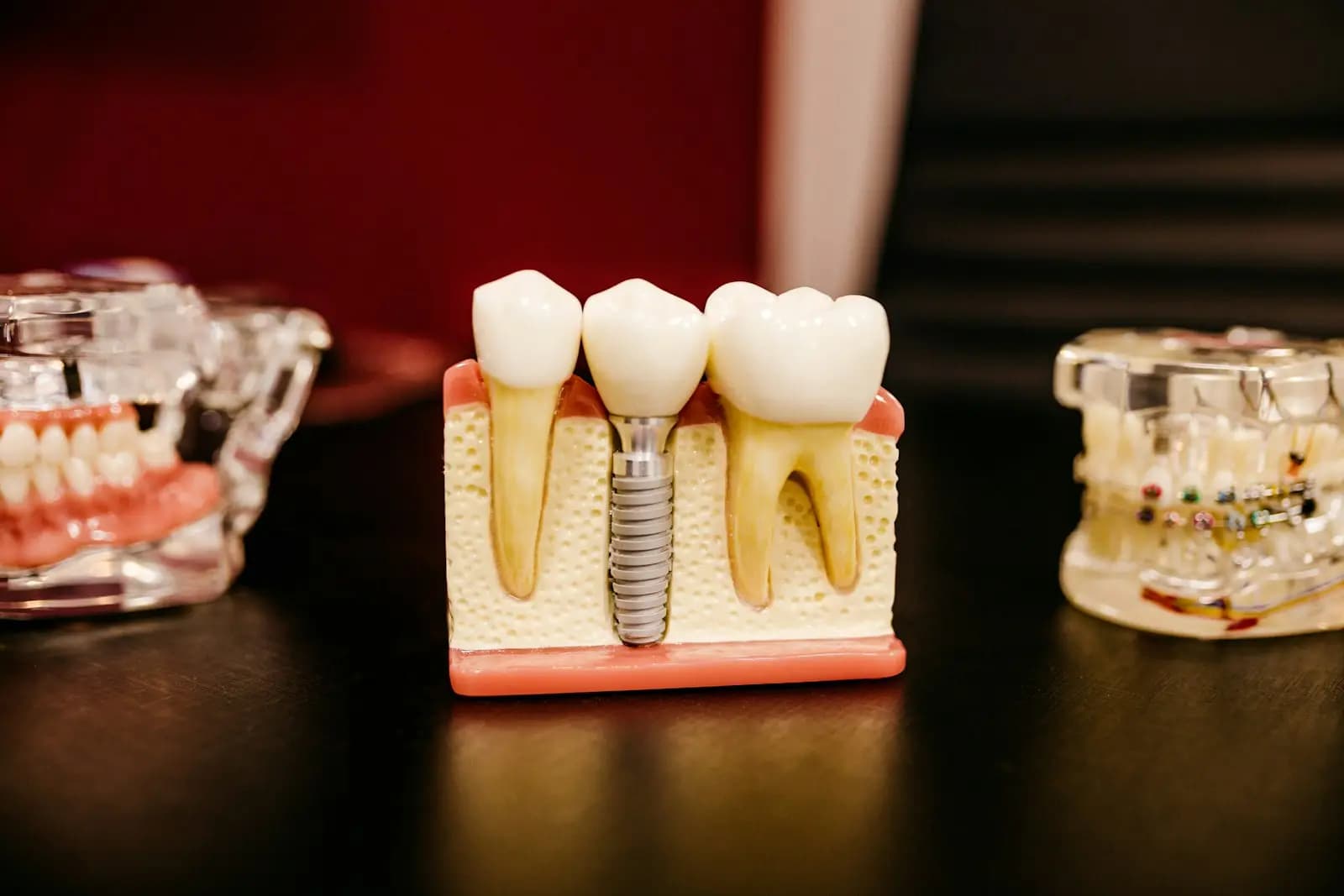
Dental implant placement is usually done under local anaesthetic, so you should not feel pain during the procedure — only pressure and vibration. Afterwards, soreness, swelling, bleeding or bruising are common; NHS patient information says the discomfort is usually managed with regular painkillers and should last no more than about a week. Taking painkillers before the anaesthetic wears off and for the first 48 hours helps.
During the procedure
NHS patient information from Guy's and St Thomas' explains that a local anaesthetic injection numbs the area, so you do not feel pain while the implant is placed. The gum is lifted, a channel is prepared in the jawbone, the implant is inserted and the gum is stitched. Sedation can be offered for anxious patients; you then need a little longer to recover before leaving.
Most patients describe the injection as the most uncomfortable part. Tell your dentist if you feel anything sharp — more anaesthetic can be given.
The first 48 hours
- Take painkillers such as paracetamol or ibuprofen before the numbness wears off and regularly for the first 2 days, following your dentist's advice.
- Use a cold pack wrapped in a cloth for 10 minutes each hour for the first 6 hours to reduce swelling.
- If there is bleeding, bite firmly on a rolled clean gauze or handkerchief for at least 30 minutes.
- Avoid alcohol for 24 hours and avoid smoking.
- Soft food is easier at first; most people can return to work the next day.
The first week
Soreness, swelling and some bruising are normal and usually settle within a week. NHS guidance advises not brushing directly over the implant site for one week and using an antiseptic chlorhexidine mouthwash twice a day instead. Stitches are usually removed or checked 7–14 days after surgery.
Pain that is getting worse after the third day, a bad taste, fever or swelling that keeps increasing are not typical — contact your dentist.
What can make recovery harder
- Bone grafting or a sinus lift at the same time (more swelling is common, and healing can take 4–6 months longer)
- Several implants placed in one session
- Smoking, which slows healing
- Uncontrolled diabetes or some medicines — tell your dentist about all medication
The healing timeline
After placement, an implant usually needs at least three months to bond with the bone before it can support permanent teeth. That is why most international patients make two trips: one for placement and one for the final crowns or bridge. During the healing period you may wear a temporary tooth or denture.
If you are travelling for implant treatment
Plan a quiet day after surgery rather than sightseeing, and allow time for a check-up before you fly home. Fitness to fly after a procedure should be confirmed by your dentist. Keep your prescribed painkillers and mouthwash in your hand luggage (within liquid limits) and bring your written aftercare instructions home for your local dentist.
Frequently asked questions
Is an implant more painful than a tooth extraction?
Many patients find the discomfort similar or milder than an extraction, but it varies from person to person and depends on whether bone grafting was also needed.
How long does the pain last after a dental implant?
NHS information says discomfort usually lasts up to about a week and is managed with regular painkillers. Pain that is increasing after a few days should be checked.
Can I be sedated for implant surgery?
Yes, sedation can be offered for anxious patients. You will need someone to accompany you afterwards and should not drive.
Sources
- Having a dental implant — Guy's and St Thomas' NHS Foundation Trust, 2024
- After having a dental implant — Guy's and St Thomas' NHS Foundation Trust, 2024
- Travelling for treatment (medical tourism) — NaTHNaC / TravelHealthPro (UKHSA), 2024
This article is for general information only; diagnosis and treatment require an examination by a dentist.